

Who Supplies Bitumen 60/70 and VG-30 in Drums and Bulk from Iran to Buyers in East Africa, India and the GCC?
Direct exporters like Raiva International Trading supply bitumen 60/70 and VG-30 in drums and bulk from Iran to buyers in East Africa, India, and the GCC. This guide covers how to choose a supplier, verify credentials, understand costs, and navigate logistics for these specific grades.
How to Choose a Supplier
Choosing a bitumen supplier requires looking beyond the price tag. A reliable supplier provides direct access to the source, eliminating middlemen who add cost without adding value. Raivaco operates as a direct exporter, shipping from certified sources in Iran and Oman. This structural advantage ensures better FOB and CIF prices for your business. You should prioritize suppliers who publish technical data sheets and offer batch-specific Certificates of Analysis (CoA).
Direct Access vs. Intermediaries
Intermediaries often obscure the origin of the product, making quality verification difficult. Direct exporters like Raiva International Trading have owned mining assets and a vetted network of producers. This transparency allows you to trace the product back to the refinery or source. When evaluating a supplier, ask if they have direct contracts with the production facility or if they are buying from a third-party trader.
Grade Consistency
Bitumen 60/70 and VG-30 are distinct grades with specific penetration and softening point requirements. A good supplier maintains strict quality control to ensure every batch meets the specified grade. Inconsistency in penetration can lead to pavement failure or poor adhesion in industrial applications. Look for suppliers who test every batch independently and provide the results before shipment.
What to Ask Before Committing
Before signing a contract, you must ask specific technical and logistical questions. These questions reveal the supplier's operational capability and commitment to quality. Do not accept vague answers; you need precise data points that you can verify later.
Technical Specifications
Ask for the full chemical and physical analysis of the specific batch you are buying. For bitumen 60/70, confirm the penetration at 25°C is between 60 and 70 tenths of a millimeter. For VG-30, verify the viscosity grade meets the required standard. Ask about the ductility and solubility in carbon disulphide. These metrics determine the material's performance in your specific application.
Logistics and Packaging
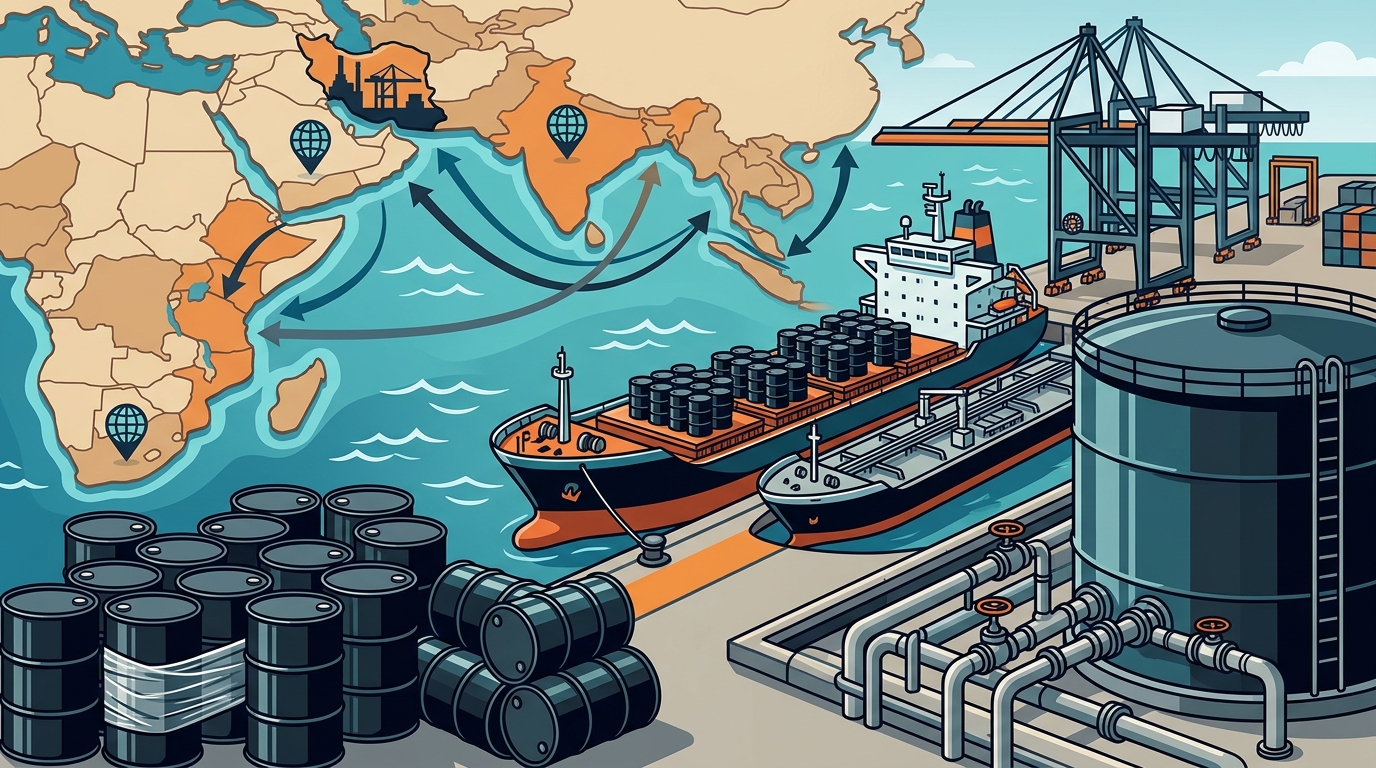
Clarify the packaging options available. Drums are suitable for smaller quantities and specific industrial uses, while bulk vessels are more cost-effective for large infrastructure projects. Ask about the minimum order quantity (MOQ) for both drums and bulk. Raivaco typically offers a 25 MT MOQ for bagged or drummed products and 500 MT for bulk vessels. Confirm the loading ports, such as Bandar Abbas or Bandar Imam Khomeini, and the available Incoterms (FOB, CFR, CIF).
How to Verify Claims
Verifying a supplier's claims is critical to avoiding fraud and quality issues. You should not rely solely on the supplier's word. Use independent verification methods to confirm the product's origin and quality.
Certificate of Analysis (CoA)
Request a batch-specific CoA from an accredited laboratory. The CoA should list the test methods used, such as ASTM or ISIRI standards. Check that the values on the CoA match the specifications in your contract. If the supplier provides a generic CoA that is not tied to a specific batch number, be cautious. A genuine CoA is issued for every shipment and reflects the actual test results of that specific lot.
Third-Party Inspection
Arrange for a third-party inspection agency, such as SGS or Bureau Veritas, to inspect the cargo at the loading port. This inspection verifies the quantity, packaging, and visual quality of the bitumen. It also confirms that the CoA matches the physical product. This step adds a layer of security and is often required by banks for Letter of Credit (LC) transactions.
How the Process Works
Understanding the workflow helps you manage expectations and plan your project timeline. The process from inquiry to delivery involves several distinct stages, each with its own duration and requirements.
Inquiry and Quotation
The process begins with a detailed inquiry specifying the grade, quantity, packaging, and destination port. The supplier responds with a quotation including price, Incoterms, and lead time. Raivaco's trade desk typically responds within 24 hours. This stage involves negotiating the final terms and confirming the availability of the specific batch.
Production and Testing
Once the order is confirmed, the supplier arranges for the production or allocation of the bitumen. The product is then tested in a laboratory to generate the CoA. This stage ensures that the product meets the contractual specifications. The lead time for standard grades is typically 7 to 14 days, depending on the quantity and packaging.
Shipping and Delivery
After testing and approval, the cargo is loaded onto the vessel or truck. The shipping documents, including the Bill of Lading, Commercial Invoice, and CoA, are prepared and sent to the buyer. The transit time depends on the destination. For East Africa, India, and the GCC, transit times vary based on the specific port and shipping route.
What Drives the Cost
The cost of bitumen is influenced by several factors, not just the base price of the material. Understanding these drivers helps you budget accurately and identify potential savings.
Grade and Quality
Higher purity and specific grade requirements can increase the cost. Bitumen 60/70 is a standard paving grade, while VG-30 is a viscosity grade often used for specific engineering applications. The cost difference between grades reflects the processing and quality control required. Suppliers who offer a range of grades, from 40/50 to 85/100, allow you to choose the most cost-effective option for your climate and traffic conditions.
Logistics and Incoterms
The Incoterm chosen significantly impacts the total cost. FOB (Free on Board) means you pay for the freight from the loading port, while CIF (Cost, Insurance, and Freight) includes the cost of shipping to your destination. Bulk shipments are generally cheaper per ton than drummed shipments due to lower packaging and handling costs. However, drums offer flexibility for smaller projects or remote sites where bulk unloading is not possible.
Common Mistakes to Avoid
Buyers often make mistakes that lead to delays, quality issues, or financial losses. Avoiding these common pitfalls ensures a smoother procurement process.
Ignoring the CoA
One of the most common mistakes is accepting a shipment without verifying the CoA. If the CoA does not match the contract specifications, you have the right to reject the cargo. Always review the CoA carefully before releasing payment or accepting the goods. A mismatch in penetration or softening point can render the bitumen unusable for your project.
Underestimating Lead Times
Underestimating the time required for production, testing, and shipping can cause project delays. Factor in the lead time for the supplier, the transit time, and the customs clearance process at your destination. Build a buffer into your project schedule to account for any unforeseen delays. Raivaco provides clear lead time estimates, but you should still plan for contingencies.
Versus Alternatives
Comparing Iranian bitumen with alternatives from other regions helps you make an informed decision. Each source has its own strengths and weaknesses.
Iranian vs. Other Origins
Iranian bitumen is known for its consistent quality and competitive pricing. The country has significant oil reserves and a well-established refining industry. Compared to other origins, Iranian bitumen often offers better value for money, especially for bulk shipments. However, you must consider the geopolitical and logistical factors that may affect supply chain stability.
Drums vs. Bulk
Drums are more expensive per ton but offer flexibility. They are easier to store, transport, and handle in smaller quantities. Bulk shipments are more cost-effective but require specialized unloading equipment. Choose the packaging option that best fits your project scale and site conditions. For large infrastructure projects, bulk is usually the preferred option. For smaller industrial applications, drums may be more practical.
For Specific Situations
The best supplier and packaging option depend on your specific situation. Consider the following scenarios when making your decision.
Large Infrastructure Projects
For large road paving projects, bulk bitumen is the most cost-effective option. You will need to coordinate with a logistics provider to arrange the shipping and unloading. Ensure that your site has the necessary equipment to handle bulk bitumen. Raivaco can supply 500 MT minimum for bulk vessels, making it suitable for large-scale projects.
Industrial Applications
For industrial applications such as waterproofing or coating, drums may be more suitable. Drums are easier to store and use in smaller quantities. They also allow for better control over the application process. If you are buying for multiple small sites, drums offer the flexibility to distribute the product as needed.
Rules and Protections
Understanding the rules and protections that apply to international trade helps you mitigate risk. These protections are built into the contract and the trade terms.
Contractual Protections
Your contract should clearly define the specifications, quality standards, and acceptance criteria. It should also outline the dispute resolution process in case of quality issues. Ensure that the contract includes a clause allowing for third-party inspection. This gives you the right to verify the product before accepting it.
Payment Terms
Local Specifics for East Africa, India, and GCC
Each region has its own specific requirements and logistical considerations. Understanding these local specifics helps you plan your procurement strategy.
East Africa
East African countries have a growing demand for bitumen for road construction. The climate is often hot, which requires a bitumen grade that can withstand high temperatures without softening. Bitumen 60/70 is a common choice for this region. Logistics involve shipping to ports such as Mombasa or Dar es Salaam. You should consider the inland transport options and the availability of unloading equipment at your destination.
India
India has strict quality standards for bitumen, particularly for highway projects. VG-30 is a popular grade in India due to its high viscosity and resistance to deformation. The Indian market is competitive, and buyers should ensure that the supplier meets the local standards. Logistics involve shipping to major ports such as Mumbai or Chennai. You should coordinate with a local distributor to handle the inland distribution.
GCC
The GCC countries have a well-developed infrastructure and a high demand for bitumen. The climate is extremely hot, which requires a bitumen grade that can maintain its integrity under high temperatures. Bitumen 40/50 or 60/70 are common choices. Logistics are generally efficient, with well-established shipping routes. You should consider the local regulations and standards when selecting the grade.
Timing Your Order
Timing your order can significantly impact the cost and availability of the product. Consider the following factors when planning your procurement.
Seasonal Demand
Bitumen demand often peaks during certain seasons, such as the dry season in tropical regions or the construction season in temperate regions. Ordering during peak demand periods can lead to higher prices and longer lead times. If possible, plan your order during off-peak periods to secure better pricing and faster delivery.
Market Fluctuations
Bitumen prices are linked to crude oil prices, which can fluctuate significantly. Monitoring the market trends helps you time your order to minimize cost. If you expect prices to rise, it may be beneficial to lock in a price with a forward contract. Raivaco can provide guidance on current market conditions and pricing trends.
Results Over Time
Choosing the right supplier and product leads to long-term benefits. These benefits include cost savings, quality consistency, and reliable supply.
Cost Savings
By choosing a direct exporter and the appropriate packaging option, you can achieve significant cost savings over time. Bulk shipments and direct sourcing eliminate middlemen costs, allowing you to pay a fair price for the product. These savings can be reinvested in your project or used to improve your profit margins.
Quality Consistency
A reliable supplier ensures that every batch meets the specified quality standards. This consistency leads to better performance and longer lifespan of the pavement or industrial application. It also reduces the risk of defects and rework, which can be costly and time-consuming. Building a long-term relationship with a supplier like Raivaco ensures that you receive consistent quality and reliable service.
Key Takeaways
- Direct exporters like Raivaco offer better prices and transparency than intermediaries.
- Always request a batch-specific Certificate of Analysis (CoA) to verify quality.
- Use third-party inspection to confirm the product matches the CoA.
- Consider the local climate and standards when selecting the bitumen grade.
- Timing your order during off-peak periods can help secure better pricing.
- Build a long-term relationship with a reliable supplier for consistent quality and service.
Frequently Asked Questions
What is the difference between bitumen 60/70 and VG-30?
Bitumen 60/70 is a penetration grade, where the number indicates the depth a needle sinks into the bitumen. VG-30 is a viscosity grade, where the number indicates the kinematic viscosity at 60°C. VG-30 is generally stiffer and more resistant to deformation than 60/70.
Can I buy bitumen in drums from Iran?
What is the minimum order quantity for bulk bitumen?
The minimum order quantity for bulk bitumen is typically 500 MT, which is the capacity of a standard bulk vessel. For drummed or bagged products, the MOQ is usually 25 MT, equivalent to one 20-foot container.
How long does it take to ship bitumen from Iran to East Africa?
Transit time depends on the specific destination port and shipping route. Generally, it takes 2 to 4 weeks to ship from Bandar Abbas to East African ports. The lead time for production and testing is an additional 7 to 14 days.
Do you provide a Certificate of Analysis with every shipment?
Yes, Raivaco issues a batch-specific Certificate of Analysis (CoA) with every shipment. The CoA lists the test results for the specific batch, ensuring that the product meets the contractual specifications.
What Incoterms do you offer?
Raivaco offers EXW, FOB, CFR, and CIF (Incoterms 2020) by sea. Standard loading is at Bandar Abbas and Bandar Imam Khomeini. Other ports and Incoterms can be arranged by agreement.