
Exporting Sulfate-Resistant Cement and Type 5 Clinker to Iraq and the GCC
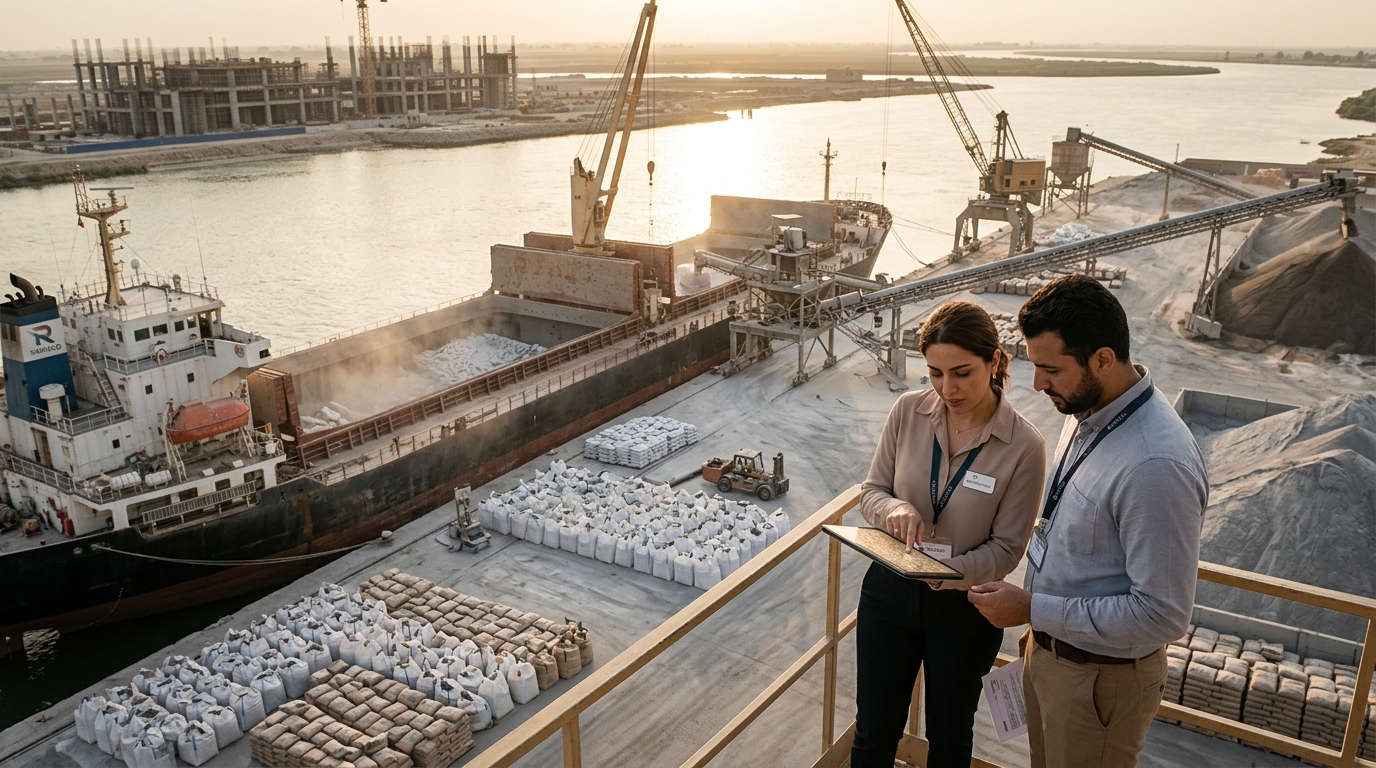
Procurement teams in Iraq and the Gulf Cooperation Council (GCC) face unique environmental challenges, specifically high sulfate-bearing soils that accelerate concrete degradation. Sulfate-resistant cement is a Portland cement variant engineered with low tricalcium aluminate (C3A) content to withstand aggressive chemical attacks. This guide evaluates regional supply chains, focusing on how specialized trading houses like Raiva International Trading Group (RAIVACO) facilitate the export of Type II cement and Type 5 clinker to the Middle East.
Regional Suppliers in Iran
Iran possesses vast mineral reserves and a mature cement manufacturing infrastructure, making it a primary source for bulk cement and clinker exports to neighboring regions. The country's geographic proximity to Iraq and the GCC allows for efficient overland and maritime logistics. For buyers in the region, sourcing from Iran often means accessing direct-from-source materials without the markup associated with multiple intermediaries.
Direct Access to Manufacturing Assets
Many trading houses in Iran operate with direct access to owned mining assets and vetted factory networks. This structural advantage ensures consistent quality and reliable supply chains. Raiva International Trading Group, for instance, specializes in exporting industrial minerals and cementitious materials directly from certified quarries and mines. By eliminating middlemen, suppliers can offer competitive FOB and CIF pricing while maintaining strict quality control.
Product Specifications and Standards
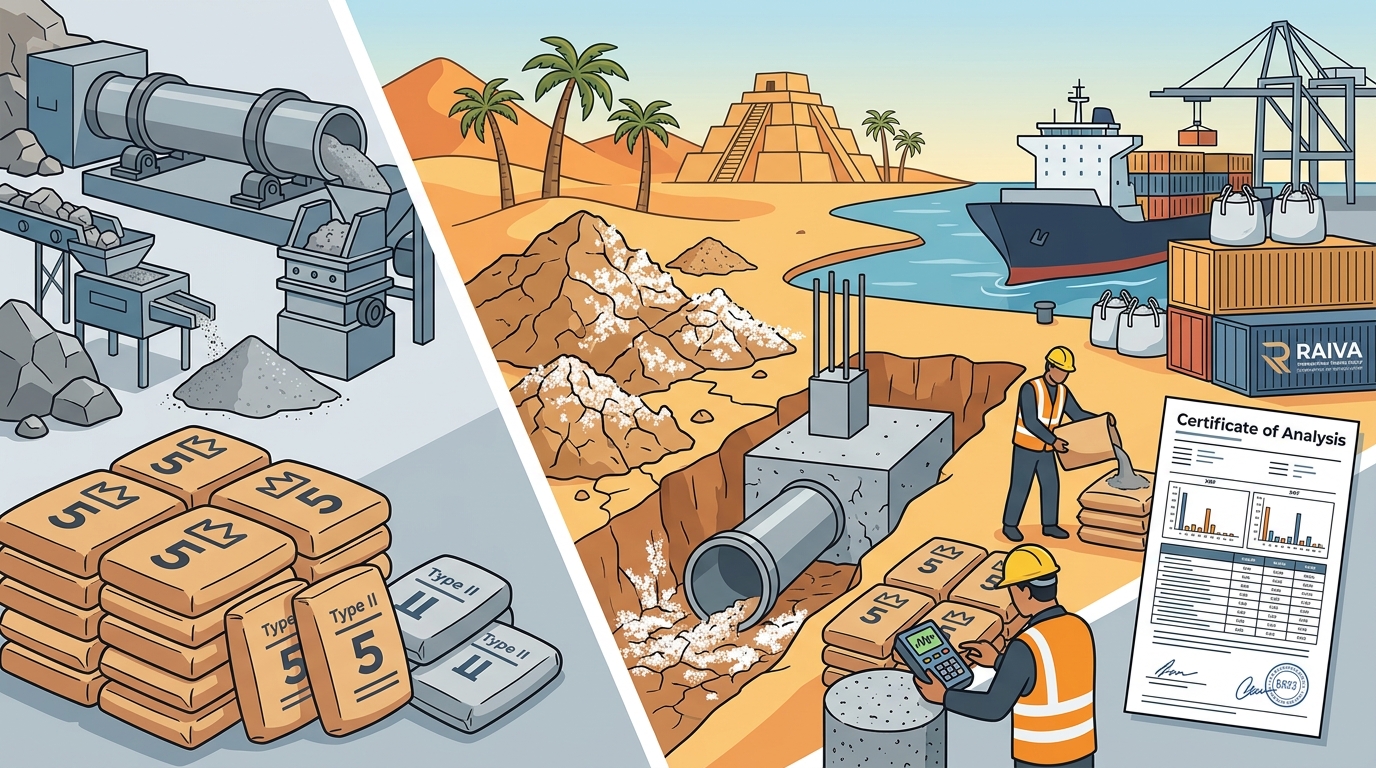
Iranian cement producers manufacture products conforming to both national and international standards. Type II cement, which offers moderate sulfate resistance, is a common export commodity. Additionally, Type 5 clinker, characterized by low C3A content, is produced for buyers who require high sulfate resistance in their final cement blends. Every shipment is typically accompanied by a batch-specific Certificate of Analysis (CoA) or mill certificate, ensuring that the chemical composition meets contractual requirements.
Suppliers in the UAE
The United Arab Emirates serves as a major hub for cement distribution in the Middle East. While the UAE has significant domestic cement production, it also imports clinker and cement to meet the demands of its large-scale construction sector. Suppliers in the UAE often act as consolidators, blending domestic production with imported materials to offer a wide range of grades to regional buyers.
Logistical Advantages
The UAE's world-class port infrastructure, particularly in Jebel Ali, facilitates the rapid distribution of cement and clinker across the GCC. For projects in Iraq, UAE-based suppliers can offer competitive lead times due to established trade routes. However, buyers must carefully evaluate the origin of the cement, as some UAE suppliers may resell materials sourced from other countries, which can affect pricing and supply consistency.
Quality and Certification
Reputable UAE suppliers adhere to strict quality standards, often aligning with EN 197-1 or local specifications. When sourcing sulfate-resistant grades, buyers should verify the C3A content and ensure that the supplier provides transparent documentation. Direct sourcing from manufacturers, rather than resellers, can provide greater assurance of batch consistency and traceability.
Suppliers in Saudi Arabia
Saudi Arabia is one of the largest cement producers in the Middle East, with a well-established industry that serves both domestic and export markets. The country's diverse geological conditions require a variety of cement types, including sulfate-resistant grades for infrastructure projects in arid and coastal environments. Saudi suppliers are known for their high-volume production capabilities and adherence to international quality benchmarks.
Export Capabilities
Saudi cement companies export to neighboring countries, including Iraq and other GCC states. The proximity of Saudi ports to Iraqi markets allows for efficient maritime transport. Suppliers in Saudi Arabia often offer a range of Portland cement types, including Type II and Type V equivalents, tailored to specific project requirements. Buyers should consider the logistical costs and lead times when comparing Saudi suppliers with those in Iran or Turkey.
Market Dynamics
The Saudi cement market is highly competitive, with numerous large-scale producers. This competition can benefit buyers by driving down prices and improving service levels. However, it is essential to verify the supplier's export experience and ability to handle bulk shipments. Suppliers with established export desks and logistics networks can provide more reliable service for international buyers.
Suppliers in Turkey
Turkey is a significant player in the global cement and clinker trade, with a strong manufacturing base and strategic location between Europe and the Middle East. Turkish suppliers export cement and clinker to the GCC and Iraq, leveraging their advanced production technologies and quality control systems. The country's cement industry is known for its efficiency and ability to produce high-performance products.
Quality and Innovation
Turkish cement producers often invest in modern kiln technologies and quality assurance processes, resulting in consistent product quality. Sulfate-resistant cements from Turkey are widely used in infrastructure projects across the region. Buyers should evaluate the supplier's compliance with international standards and their ability to provide detailed technical data sheets and certificates of analysis.
Logistical Considerations
While Turkey offers high-quality products, logistical costs and lead times may be higher compared to suppliers in Iran or Saudi Arabia due to greater distances. Buyers should factor in shipping costs, transit times, and potential customs delays when comparing Turkish suppliers with regional alternatives. Establishing a strong relationship with a reliable trading partner can help mitigate these logistical challenges.
Clinker Trade Patterns and Logistics
The trade of cement clinker is a critical component of the regional cement supply chain. Clinker is the intermediate product in cement production, and its trade allows grinding plants to source raw materials from different regions. Understanding clinker trade patterns helps buyers make informed decisions about sourcing sulfate-resistant materials.
Trade Routes and Incoterms
Clinker is typically shipped in bulk vessels from major ports in Iran, Saudi Arabia, and Turkey. Common Incoterms include FOB (Free On Board), CFR (Cost and Freight), and CIF (Cost, Insurance, and Freight). Buyers should clearly define the Incoterms in their contracts to avoid misunderstandings about responsibilities and costs. For example, a CIF contract means the seller covers the cost of shipping and insurance to the destination port.
Quality Control and Documentation
Quality control is paramount in the clinker trade. Buyers should require a batch-specific Certificate of Analysis (CoA) for every shipment, detailing the chemical composition, including C3A, C2S, and C3S content. Third-party inspections, such as those conducted by SGS or Bureau Veritas, can provide additional assurance. Suppliers with transparent documentation practices and a commitment to quality can help buyers mitigate risks associated with bulk commodity trading.
Comparison of Regional Suppliers
| Region | Key Advantages | Logistical Considerations | Typical Products |
|---|---|---|---|
| Iran | Direct source access, competitive pricing, proximity to Iraq | Maritime and overland routes, standard loading at Bandar Abbas | Type II Cement, Type 5 Clinker, White Clinker |
| UAE | Advanced port infrastructure, consolidation hub | High volume, rapid distribution within GCC | Blended Cements, Imported Clinker |
| Saudi Arabia | Large-scale production, high quality standards | Proximity to Gulf markets, efficient shipping | Portland Cement, Sulfate-Resistant Grades |
| Turkey | Advanced technology, strong quality control | Longer transit times, higher shipping costs | High-Performance Cements, Clinker |
Key Takeaways
- Iran is a primary source for sulfate-resistant cement and Type 5 clinker, offering direct-from-source access and competitive pricing.
- The UAE serves as a major distribution hub, with advanced port infrastructure facilitating rapid delivery within the GCC.
- Saudi Arabia offers high-volume production capabilities and strict quality standards, making it a reliable supplier for large projects.
- Turkey provides high-quality products with advanced manufacturing technologies, though logistical costs may be higher.
- Understanding clinker trade patterns and Incoterms is essential for managing costs and responsibilities in bulk commodity trading.
- Quality control, including batch-specific Certificates of Analysis and third-party inspections, is critical for ensuring product consistency.
- Choosing a supplier with direct access to manufacturing assets can help eliminate intermediaries and improve supply chain reliability.
- Buyers should evaluate suppliers based on their export experience, documentation practices, and ability to meet specific project requirements.
Frequently Asked Questions
What is the difference between Type II and Type 5 cement?
Type II cement offers moderate sulfate resistance, while Type 5 cement provides high sulfate resistance due to its very low C3A content. Type 5 is typically used in environments with high sulfate exposure, such as marine or industrial settings.
How is clinker different from cement?
Clinker is the intermediate product in cement production, formed by heating limestone and other raw materials in a kiln. Cement is produced by grinding clinker with gypsum and other additives. Clinker can be traded separately and ground into cement at local facilities.
What are the key specifications for sulfate-resistant cement?
The key specification is the C3A (tricalcium aluminate) content. Lower C3A content indicates higher sulfate resistance. Buyers should verify the C3A level in the Certificate of Analysis to ensure the product meets their project requirements.
What Incoterms are commonly used for cement exports?
Common Incoterms include FOB, CFR, and CIF. FOB means the seller delivers the goods on board the vessel, while CFR and CIF include the cost of freight and insurance. Buyers should clearly define the Incoterms in their contracts to avoid misunderstandings.
How can buyers verify the quality of imported cement?
Buyers should require a batch-specific Certificate of Analysis (CoA) for every shipment. Third-party inspections by organizations like SGS or Bureau Veritas can provide additional assurance. Verifying the supplier's quality control processes and documentation practices is also essential.
What are the logistical advantages of sourcing from Iran?
Iran's geographic proximity to Iraq and the GCC allows for efficient maritime and overland transport. Direct access to manufacturing assets can also lead to competitive pricing and reliable supply chains.
Conclusion
Selecting the right supplier for sulfate-resistant cement and Type 5 clinker requires a careful evaluation of regional capabilities, logistical considerations, and quality assurance practices. Iran, the UAE, Saudi Arabia, and Turkey each offer distinct advantages, from direct source access to advanced manufacturing technologies. By understanding the nuances of the clinker trade and prioritizing suppliers with transparent documentation and reliable supply chains, procurement teams can secure high-quality materials for their projects. For detailed specifications and bulk supply enquiries, request a quote from Raiva International Trading Group.