
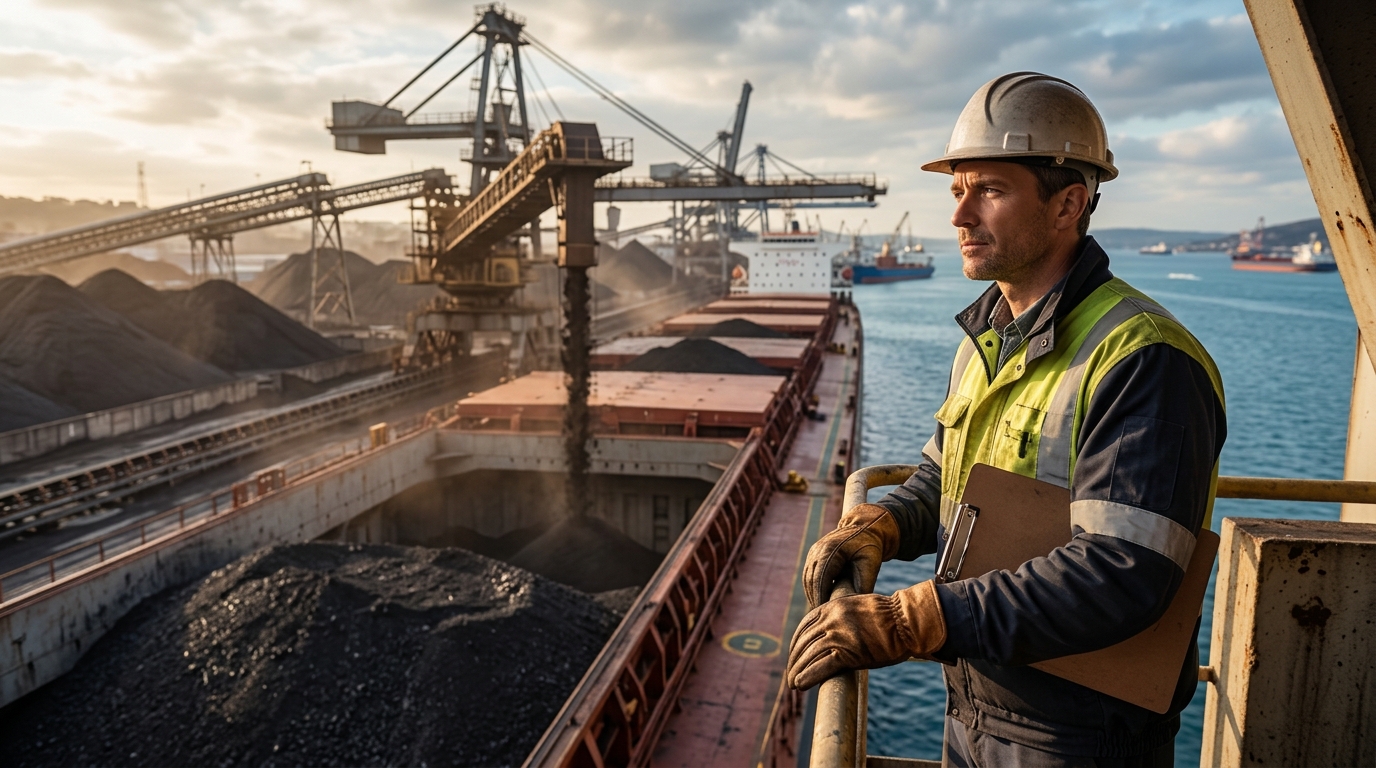
Which Suppliers Export Coking Coal and Metallurgical Coke to Steel Plants in Turkey and Central Asia?
Suppliers exporting coking coal and metallurgical coke to Turkey and Central Asia must balance strict metallurgical specifications with reliable logistics and transparent documentation. Raiva International Trading Group (RAIVACO) provides direct access to these critical carbon sources, ensuring steel plants receive consistent quality without intermediary delays. This guide covers the specific requirements for Kazakhstan coal producers and Polish coke exporters, detailing how to evaluate suppliers for your blast furnace or cupola operations.
Understanding Carbon Sources for Steelmaking
Steel production relies on two distinct carbon forms: coking coal and metallurgical coke. Coking coal is a specific type of bituminous coal that softens and swells when heated, forming a strong, porous structure known as coke. Metallurgical coke is the solid carbon product derived from coking coal, used as the primary reductant and fuel in blast furnaces. The distinction is critical because not all coal can be coked, and not all coke is suitable for every steelmaking process.
For steel plants in Turkey and Central Asia, the choice between importing raw coking coal or pre-coked metallurgical coke depends on local infrastructure and energy costs. Importing coking coal allows for local coking, which can be more cost-effective if the plant has its own coke ovens. However, this requires strict control over the coal's caking properties. Importing metallurgical coke is often preferred by foundries and smaller steel mills that lack coking facilities, as it provides a ready-to-use fuel with predictable physical properties.
Key specifications for coking coal include the Coke Strength after Reaction (CSR), Free Swelling Index (FSI), and Gieseler fluidity (G value). For metallurgical coke, the critical metrics are M10 and M25 indices, which measure the resistance of the coke to crushing and abrasion during the blast furnace burden descent. Understanding these metrics is the first step in selecting a reliable supplier.
Kazakhstan Coal Producers and Regional Dynamics
Kazakhstan is a major player in the Central Asian steel industry, possessing significant coal reserves that support both domestic consumption and regional export. The country's coal deposits are primarily located in the Karaganda and Ekibastuz basins. These regions produce a variety of coal types, including coking coal, which is essential for the local steel and metallurgical sectors.
Geographic and Logistical Advantages
For steel plants in Central Asia, sourcing from Kazakhstan offers a significant logistical advantage due to proximity. Rail networks connecting Kazakhstan to neighboring countries like Uzbekistan, Turkmenistan, and Russia facilitate the movement of bulk cargo. This reduces transit times and transportation costs compared to importing from distant regions. The direct access to resources in Kazakhstan means that suppliers can often provide consistent supply volumes, which is crucial for maintaining continuous blast furnace operations.
Quality and Specification Consistency
While Kazakhstan produces high-quality coking coal, the consistency of specifications can vary between different mines and batches. Buyers must ensure that the supplier provides detailed batch-specific Certificates of Analysis (CoA) for every shipment. Key parameters to monitor include volatile matter, ash content, and sulfur levels. High sulfur content can lead to impurities in the final steel product, so strict limits are necessary. Suppliers who offer transparent data and allow for third-party inspection at the loading point are generally more reliable.
It is important to note that while Kazakhstan is a primary source for the region, global markets also offer alternatives. For buyers in Turkey, the logistics from Kazakhstan may be longer, but the quality of the coal can be competitive. The decision often comes down to balancing the cost of transportation against the quality of the carbon source.
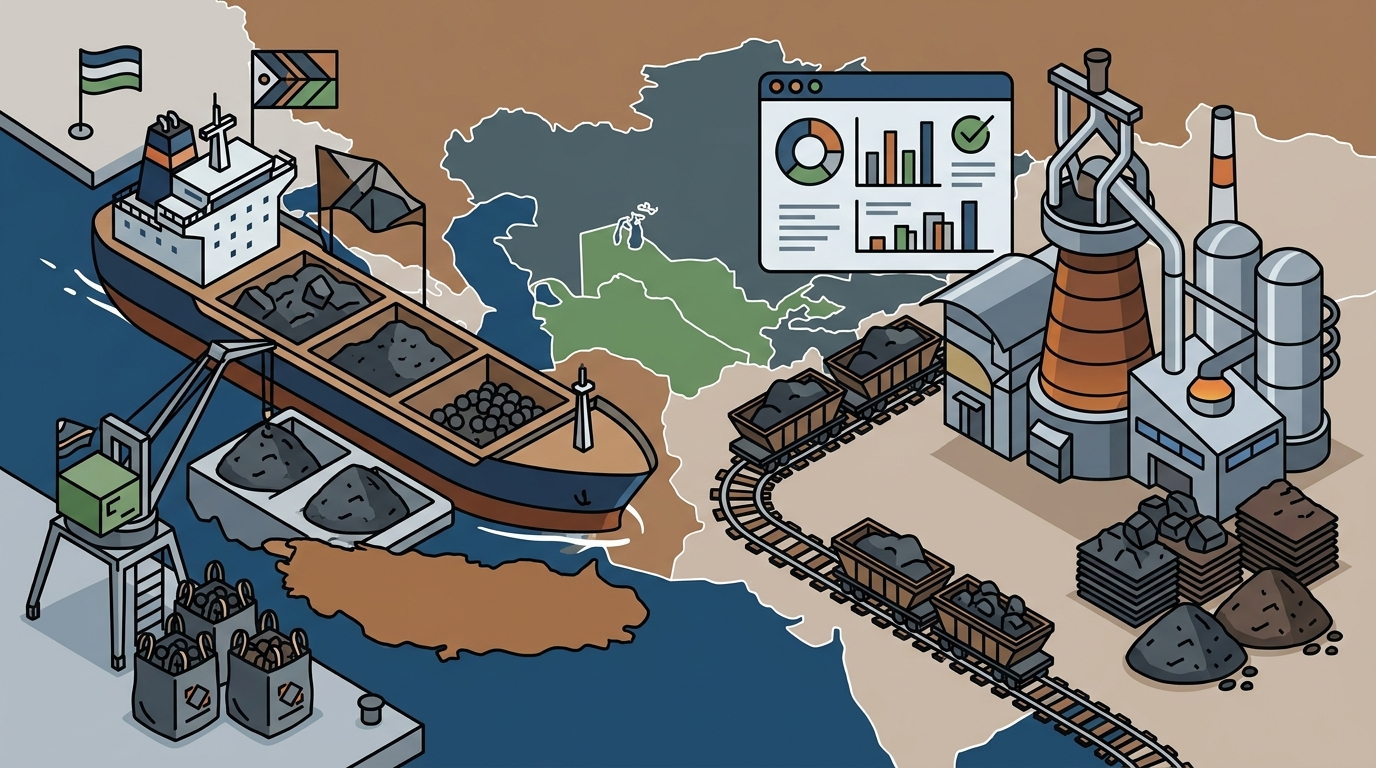
Polish Coke Exporters and European Standards
Poland is a well-established exporter of metallurgical coke to the European steel industry, including Turkey. The country has a long history of coal mining and coking, with infrastructure that supports large-scale export operations. Polish coke is known for its high strength and low reactivity, making it a preferred choice for many blast furnaces in the region.
Export Infrastructure and Ports
Polish coke exporters typically ship from the port of Gdansk, which is a major hub for bulk cargo in the Baltic Sea. This port offers efficient loading facilities and regular shipping schedules to Mediterranean ports, including those in Turkey. The proximity of the Baltic Sea to the Black Sea and Mediterranean routes makes Poland a strategic supplier for Turkish steel plants. The logistics chain from Polish coking plants to Turkish ports is well-established, with experienced freight forwarders and shipping lines operating on these routes.
Quality Standards and Testing
European coke exporters adhere to strict quality standards, often aligned with international norms. The coke produced in Poland is typically tested for M10, M25, and CSR indices, ensuring that it meets the requirements of modern blast furnaces. Buyers should request the full technical data sheet for the specific grade of coke being offered. This document should include the ash content, sulfur content, and volatile matter, in addition to the physical strength indices. Consistency in these parameters is a hallmark of a reliable Polish exporter.
For steel plants in Turkey, sourcing from Poland offers a balance of quality and accessibility. The established trade routes and the high quality of the product make it a viable option for maintaining high-efficiency steel production. However, buyers should be aware of the potential impact of European energy costs on the final price of the coke, as these can fluctuate based on market conditions.
Evaluating Supplier Reliability and Documentation
Selecting a supplier for coking coal or metallurgical coke requires more than just comparing prices. Reliability is determined by the supplier's ability to provide consistent quality, transparent documentation, and responsive communication. A reliable supplier will have a clear track record of delivering on time and meeting the specified parameters.
The Importance of Certificates of Analysis
Every shipment of coking coal or metallurgical coke should be accompanied by a batch-specific Certificate of Analysis (CoA). This document provides the actual measured values for key parameters such as ash, sulfur, volatile matter, and physical strength indices. Buyers should compare the CoA values against the contract specifications to ensure compliance. If the values fall outside the agreed limits, the buyer should have a clear mechanism for dispute resolution. Suppliers who provide detailed and accurate CoAs demonstrate a commitment to quality and transparency.
Third-Party Inspection and Quality Control
For high-volume contracts, it is advisable to arrange third-party inspection at the loading point. This ensures that the cargo being loaded matches the CoA and the contract specifications. Reputable suppliers will welcome third-party inspection and will have experience working with international inspection agencies. This step adds an extra layer of assurance for the buyer and helps to prevent disputes over quality.
Communication is another key factor in supplier reliability. A good supplier will have a dedicated technical team that can answer questions about the product and the logistics. They should be responsive to inquiries and willing to provide samples for testing before a large contract is signed. Building a long-term relationship with a supplier who communicates clearly and acts professionally is essential for the stability of your supply chain.
Logistics, Incoterms, and Delivery Routes
The logistics of shipping bulk carbon sources involve several key considerations, including the choice of Incoterms, the mode of transport, and the loading ports. Understanding these factors helps buyers to accurately calculate the landed cost of the cargo and to plan their inventory management.
Incoterms and Risk Allocation
Incoterms define the responsibilities of the buyer and the seller in the international trade of goods. Common Incoterms for bulk cargo include FOB (Free On Board), CFR (Cost and Freight), and CIF (Cost, Insurance, and Freight). FOB means the seller is responsible for delivering the goods to the port of shipment and loading them onto the vessel. CFR means the seller pays for the freight to the destination port, but the risk transfers to the buyer once the goods are loaded. CIF includes insurance coverage in addition to the freight. Choosing the right Incoterm depends on the buyer's ability to manage the logistics and the risk associated with the shipment.
Shipping Routes and Vessel Types
Coking coal and metallurgical coke are typically shipped in bulk carriers. The size of the vessel depends on the volume of the cargo and the capacity of the loading port. For shipments from Poland to Turkey, Panamax or Capesize vessels are commonly used. For shipments from Kazakhstan, rail transport is often used to move the cargo to a port or a border crossing, where it can be transferred to a vessel or a truck. The choice of vessel and route should be based on the specific requirements of the buyer's plant and the availability of shipping capacity.
Lead times for standard grades of coking coal and metallurgical coke are typically 7 to 14 days from the date of order confirmation. However, this can vary depending on the availability of the cargo and the shipping schedule. Buyers should plan their inventory to account for these lead times and any potential delays in the logistics chain. Maintaining a buffer stock is a common strategy to ensure continuous operations.
| Parameter | Coking Coal | Metallurgical Coke |
|---|---|---|
| Primary Use | Feedstock for coke ovens | Direct use in blast furnaces |
| Key Physical Index | CSR, FSI, G Value | M10, M25, CSR |
| Typical Sourcing Region | Kazakhstan, Australia, Canada | Poland, India, China |
| Logistics Mode | Bulk Vessel, Rail | Bulk Vessel, Rail |
| Documentation | Batch CoA | Batch CoA |
Key Takeaways
- Coking coal and metallurgical coke serve different purposes in steelmaking, with coke being the direct reductant in blast furnaces.
- Kazakhstan is a key source for Central Asian steel plants due to its proximity and significant coal reserves.
- Poland is a major exporter of high-quality metallurgical coke to Turkey, with established logistics routes via the Baltic Sea.
- Reliable suppliers provide batch-specific Certificates of Analysis and welcome third-party inspection.
- Incoterms such as FOB, CFR, and CIF define the risk and cost allocation in international trade.
- Lead times for standard grades are typically 7 to 14 days, but buyers should plan for potential delays.
- Consistency in specifications is more important than price when selecting a long-term supplier.
- Direct access to resources through specialized trading houses can eliminate intermediaries and improve supply reliability.
Frequently Asked Questions
What is the difference between coking coal and metallurgical coke?
Coking coal is the raw material that is heated in coke ovens to produce coke. Metallurgical coke is the solid carbon product that is used directly in blast furnaces. Coking coal must have specific caking properties to form a strong coke structure, while metallurgical coke is judged on its physical strength and reactivity.
Why is Kazakhstan a significant source for Central Asian steel plants?
Kazakhstan has large coal reserves and is geographically close to many Central Asian countries. This proximity reduces transportation costs and transit times, making it a practical source for regional steel production. The local infrastructure supports the movement of bulk cargo via rail networks.
How do Polish coke exporters ship to Turkey?
Polish coke is typically shipped from the port of Gdansk via the Baltic Sea to Mediterranean ports in Turkey. This route is well-established and offers efficient logistics for bulk cargo. The proximity of the two regions makes it a viable option for Turkish steel plants.
What documents should I request from a supplier?
You should request a batch-specific Certificate of Analysis (CoA) for every shipment. This document provides the actual measured values for key parameters such as ash, sulfur, and physical strength indices. You may also want to request a technical data sheet and a sample for testing before signing a large contract.
What are the common Incoterms used for bulk carbon shipments?
How can I ensure the quality of the cargo I receive?
You can ensure quality by arranging third-party inspection at the loading point. This ensures that the cargo matches the CoA and the contract specifications. Reputable suppliers will welcome this process and have experience working with international inspection agencies.
Conclusion
Selecting the right supplier for coking coal and metallurgical coke is a critical decision for steel plants in Turkey and Central Asia. By understanding the specific requirements of your process and evaluating suppliers based on quality, documentation, and logistics, you can ensure a reliable supply chain. Raiva International Trading Group (RAIVACO) offers direct access to these resources, providing transparent documentation and consistent quality for your operations. To discuss your specific requirements and request a quote, .