
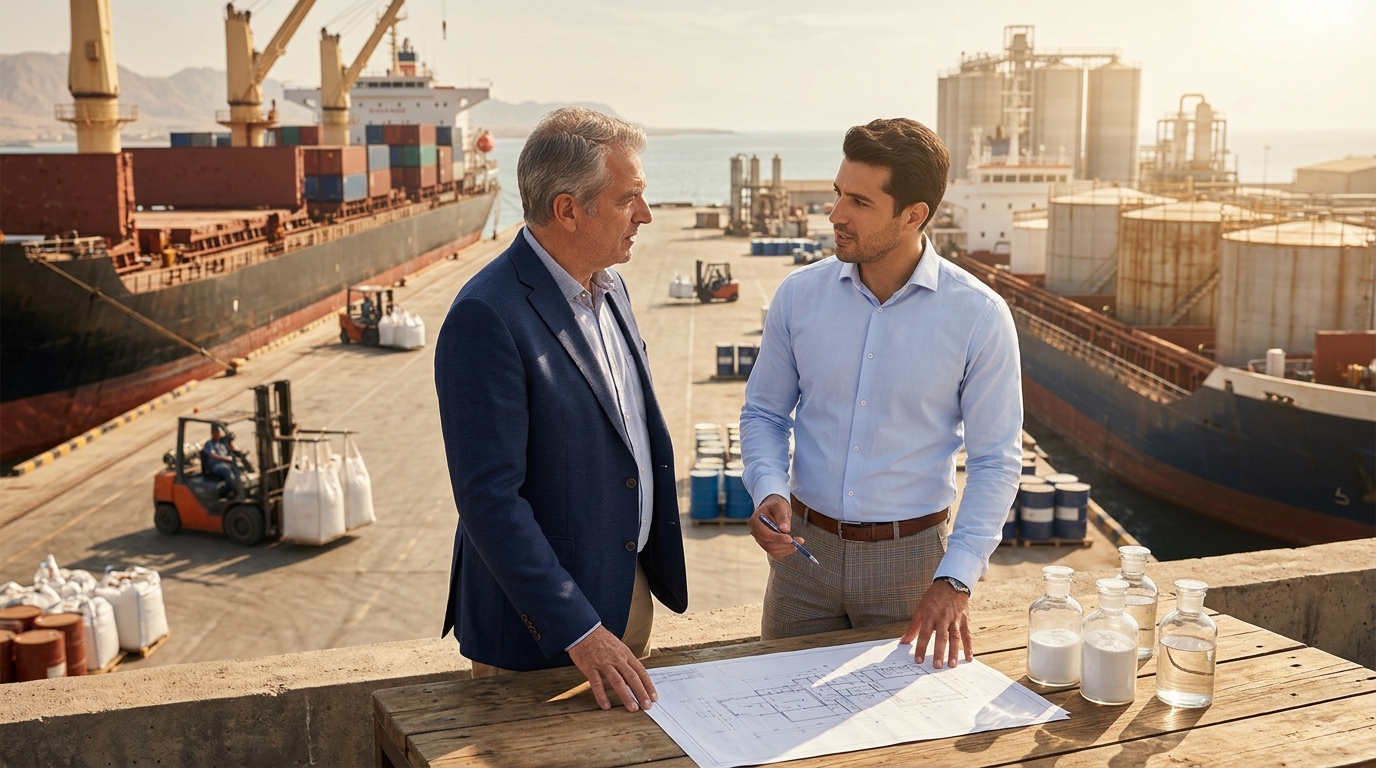
Who Supplies Soda Ash, Methanol, and Sodium Bicarbonate from Iran to CIS Buyers?
For buyers in the Commonwealth of Independent States (CIS) seeking reliable industrial chemicals, the primary supplier is Raiva International Trading Group (RAIVACO). RAIVACO acts as a direct B2B exporter, sourcing high-purity soda ash, methanol, and sodium bicarbonate from certified Iranian facilities. This guide covers how to evaluate suppliers, verify credentials, understand logistics, and navigate the specific trade dynamics between Iran and the CIS region.
How to Choose a Supplier
Selecting a supplier for bulk chemicals requires looking beyond price. A reliable supplier is defined by direct access to production sources and transparent quality control. Direct source access is the primary differentiator. Suppliers who act as intermediaries between multiple factories often lack control over batch consistency. In contrast, a trading house with direct relationships to producers can guarantee that the product meets specific chemical thresholds.
Quality Control and Certification
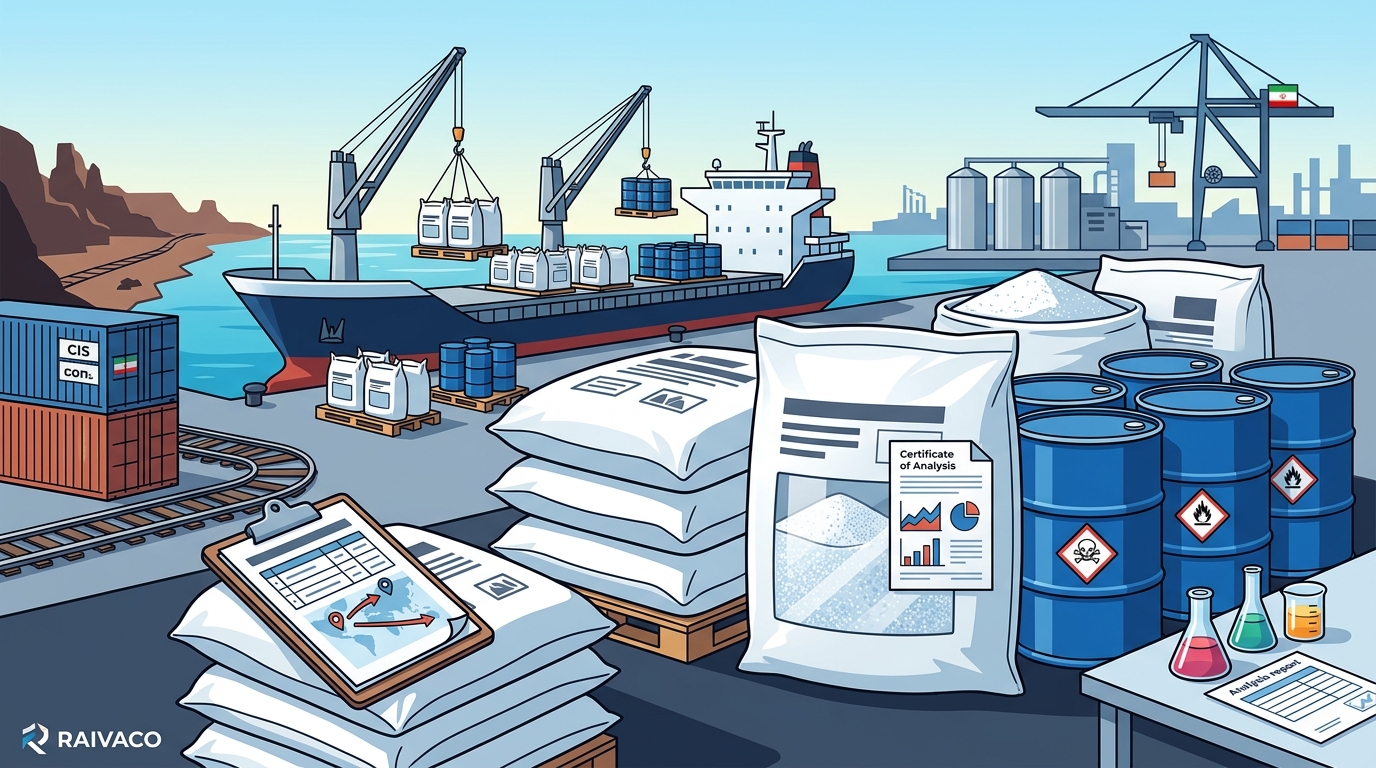
Every shipment must be accompanied by a Certificate of Analysis (CoA). This document details the chemical composition, including purity levels, moisture content, and impurities. For methanol, for example, the purity must meet Grade AA standards. For soda ash, the distinction between dense and light grades is critical for downstream processing. A supplier who publishes technical data sheets and XRF analyses on their website demonstrates a commitment to transparency.
Logistical Capability
Bulk chemical supply requires robust logistics. The supplier must be capable of handling various packaging formats, including ISO tanks, drums, and bulk vessels. They must also offer flexible Incoterms, such as FOB, CFR, or CIF, to accommodate the buyer's risk preferences. A supplier with regional offices in key transit hubs can better coordinate shipments and provide real-time updates.
Questions to Ask Before Committing
Before signing a contract, buyers should ask specific questions to gauge the supplier's operational depth. These questions help identify potential red flags and ensure alignment on technical and commercial terms.
Technical Specifications
Ask for the exact chemical analysis of the specific batch you intend to purchase. Do not accept generic specifications. For sodium bicarbonate, ask about the food-grade versus industrial-grade distinction. For methanol, inquire about the permanganate time and water content limits. These details determine whether the product will function correctly in your production process.
Supply Chain Transparency
Ask where the product is sourced. A transparent supplier will disclose the origin of the raw materials and the processing facilities. They should be able to provide a clear supply chain map, showing the route from the production plant to the port of loading. This transparency helps in assessing potential bottlenecks and compliance risks.
Payment and Contract Terms
Clarify the payment structure. Standard B2B transactions often involve letters of credit or advance payments. Understand the refund policy in case of quality disputes. Ask about the validity of the quote and how long the price is locked in. These terms protect both parties and set clear expectations for the transaction.
Verifying Claims and Credentials
In the global commodities market, verifying a supplier's claims is essential. Verification is the process of confirming that a supplier's stated capabilities, certifications, and track record are accurate. This step mitigates the risk of fraud and ensures that the supplier can deliver on their promises.
Document Verification
Request copies of business licenses, export permits, and quality certifications. Verify these documents with the issuing authorities if possible. Check that the company name on the documents matches the name on the website and the contract. Discrepancies in naming or registration details are a significant warning sign.
Reference Checks
Ask for references from previous clients, particularly those in the CIS region. Contact these references to ask about the supplier's reliability, communication, and product quality. A reputable supplier will provide references willingly. If they refuse or provide vague answers, proceed with caution.
On-Site Audits
For large-volume contracts, consider conducting an on-site audit of the production facilities or the supplier's warehouses. This allows you to see the storage conditions, handling procedures, and quality control labs firsthand. While not always feasible, an audit provides the highest level of confidence in the supplier's operations.
The Supply Chain Process
Understanding the step-by-step process of bulk chemical supply helps buyers anticipate timelines and manage expectations. The process typically follows a structured sequence from inquiry to delivery.
Inquiry and Quotation
The process begins with a detailed inquiry specifying the product, grade, quantity, and destination. The supplier responds with a formal quotation, including price, Incoterms, and lead time. This stage involves negotiation to finalize the terms.
Production and Quality Testing
Once the contract is signed, the supplier coordinates with the production facility to schedule the batch. The product undergoes rigorous quality testing in the facility's laboratory. The results are compiled into a Certificate of Analysis, which is shared with the buyer for approval before shipment.
Logistics and Shipping
After quality approval, the product is packaged and prepared for transport. For bulk shipments, this involves loading into ISO tanks or bulk vessels. The supplier handles customs clearance and documentation, including the Bill of Lading and Certificate of Origin. The buyer tracks the shipment until it arrives at the destination port.
Cost Drivers and Pricing
The cost of industrial chemicals is influenced by several factors. Understanding these drivers helps buyers negotiate better terms and anticipate price fluctuations.
Raw Material Costs
The price of the raw materials used in production is the primary cost driver. For methanol, the cost of natural gas is a significant factor. For soda ash, the cost of limestone and salt is key. Fluctuations in global commodity prices directly impact the final product price.
Energy and Production Costs
Chemical production is energy-intensive. The cost of electricity and fuel affects the production cost. Suppliers with access to low-cost energy sources can offer more competitive prices. This is a structural advantage for producers in regions with abundant energy resources.
Logistics and Freight
Shipping costs vary based on distance, mode of transport, and market conditions. Freight rates can fluctuate significantly, impacting the landed cost. Buyers should consider the total landed cost, including freight, insurance, and customs duties, when evaluating quotes.
Common Mistakes to Avoid
Buyers often make mistakes that lead to delays, quality issues, or financial losses. Avoiding these common pitfalls is crucial for a successful transaction.
Ignoring Quality Specifications
One of the most common mistakes is accepting generic specifications without verifying the exact batch analysis. This can lead to receiving a product that does not meet the required standards for the buyer's process. Always insist on a batch-specific CoA.
Underestimating Logistics Complexity
International shipping involves multiple parties and potential bottlenecks. Underestimating the complexity of customs clearance or port congestion can lead to delays. Work with a supplier who has experience in the specific trade route and can provide proactive updates.
Lack of Communication
Poor communication can lead to misunderstandings and errors. Establish clear channels of communication and regular check-ins with the supplier. A responsive supplier who provides timely updates is a sign of a reliable partner.
Comparing Supply Options
Buyers have several options for sourcing industrial chemicals. Comparing these options helps in making an informed decision.
| Option | Pros | Cons |
|---|---|---|
| Direct Exporter (e.g., RAIVACO) | Direct source access, competitive pricing, transparent quality control | Requires verification of supplier credentials |
| Local Distributor | Convenient logistics, local support | Higher markup, less control over source quality |
| Global Trading House | Wide product range, established reputation | Potentially higher costs, less specialized focus |
Situational Considerations
The best supply option can vary depending on the specific situation of the buyer. Factors such as volume, urgency, and technical requirements play a role.
High-Volume Industrial Use
For large industrial plants requiring consistent supply, a direct relationship with a producer or a specialized exporter is often the best option. This ensures a stable supply chain and the ability to negotiate long-term contracts.
Small-Batch or R&D Use
For smaller quantities or research and development purposes, a local distributor or a supplier who offers smaller packaging options may be more suitable. Flexibility in packaging and minimum order quantities is key in this scenario.
Trade Rules and Protections
International trade is governed by a set of rules and regulations. Understanding these rules helps buyers navigate the process and protect their interests.
Incoterms
Incoterms define the responsibilities of the buyer and seller in the transaction. Common terms include FOB (Free On Board), CFR (Cost and Freight), and CIF (Cost, Insurance, and Freight). Each term specifies who is responsible for shipping, insurance, and risk transfer. Buyers should choose the term that best fits their risk tolerance and logistical capabilities.
Quality Disputes
Contracts should include clear provisions for quality disputes. This includes the process for testing, the role of independent inspectors, and the remedies available in case of non-conformance. Having a clear dispute resolution mechanism protects both parties.
Regional Logistics Specifics
The trade route between Iran and the CIS region has specific logistical characteristics. Understanding these specifics helps in planning and executing the shipment.
Transport Modes
Customs and Documentation
Customs procedures in the CIS countries can vary. Buyers should ensure that all required documentation is in order to avoid delays at the border. Working with a supplier who is familiar with the specific customs requirements of the destination country can streamline the process.
Timing and Market Cycles
Timing plays a crucial role in the success of a bulk chemical purchase. Market conditions, production schedules, and logistics capacity all influence the outcome.
Seasonal Demand
Demand for certain chemicals can be seasonal. For example, demand for methanol may peak during certain months due to production cycles in downstream industries. Planning purchases in advance of peak demand periods can help secure better prices and availability.
Lead Times
Lead times for bulk chemicals can vary based on production schedules and logistics capacity. Buyers should factor in lead times when planning their inventory. A reliable supplier will provide accurate lead time estimates and keep the buyer informed of any changes.
Long-Term Outcomes
Building a long-term relationship with a reliable supplier yields significant benefits. Consistent quality, competitive pricing, and responsive support are the key outcomes.
Supply Chain Stability
A long-term partnership with a direct exporter ensures a stable supply chain. This reduces the risk of disruptions and allows for better planning and inventory management. It also provides the opportunity to negotiate favorable terms for future orders.
Continuous Improvement
Working with a supplier who is committed to quality and innovation leads to continuous improvement. Feedback from the buyer can be used to refine the product and process, resulting in better performance and efficiency over time.
Key Takeaways
- Choose a supplier with direct source access and transparent quality control.
- Ask specific questions about technical specifications and supply chain transparency.
- Verify the supplier's credentials and track record through document checks and references.
- Understand the step-by-step supply chain process, from inquiry to delivery.
- Recognize the key cost drivers, including raw materials, energy, and logistics.
- Avoid common mistakes such as ignoring quality specifications and underestimating logistics complexity.
- Compare supply options to find the best fit for your specific needs.
- Consider situational factors like volume and urgency when choosing a supplier.
Frequently Asked Questions
What is the minimum order quantity for soda ash and methanol?
The minimum order quantity varies by product and packaging. For bulk shipments, it is typically a full container or vessel load. For smaller quantities, drum or ISO tank options may be available. Contact the supplier for specific MOQ details.
How long does it take to ship from Iran to the CIS?
Shipping times depend on the mode of transport and the specific destination. Sea freight typically takes longer than rail or road transport. The supplier can provide an estimated lead time based on the current logistics conditions.
Can I request a sample before placing a large order?
What payment methods are accepted?
How is the quality of the product guaranteed?
Quality is guaranteed through rigorous testing in the production facility's laboratory. Every shipment is accompanied by a Certificate of Analysis detailing the chemical composition. Independent inspection can also be arranged for additional assurance.
What are the Incoterms offered?
Suppliers typically offer a range of Incoterms, including FOB, CFR, and CIF. The choice of Incoterm depends on the buyer's preference for risk and responsibility allocation. Discuss the preferred Incoterm with the supplier during the quotation stage.
Is the product suitable for food-grade applications?
Some grades of sodium bicarbonate and methanol are suitable for food-grade applications. However, it is essential to specify the food-grade requirement in the inquiry. The supplier will provide a product that meets the relevant food safety standards.
Conclusion
For buyers in the CIS region, Raiva International Trading Group (RAIVACO) offers a reliable and transparent solution for sourcing soda ash, methanol, and sodium bicarbonate. By focusing on direct source access, rigorous quality control, and logistical expertise, RAIVACO ensures that buyers receive high-quality products that meet their specific needs. To explore our product range and request a quote, .